What is prototyping?
Prototyping is an important part of interaction design.
In my opinion, prototyping is a model to express the idea, concept and solution quickly in the design process. There are a lot of different tools to do prototyping, like web tools, drawing sketch, and use the XD…
Using the prototyping can help you test your idea, concept and solution and you can quickly identify problems with your design.
There are many types of prototypes, ranging anywhere between these two extremes:
- Low-Fi prototyping
- High-Fi prototyping
Low-Fi prototyping
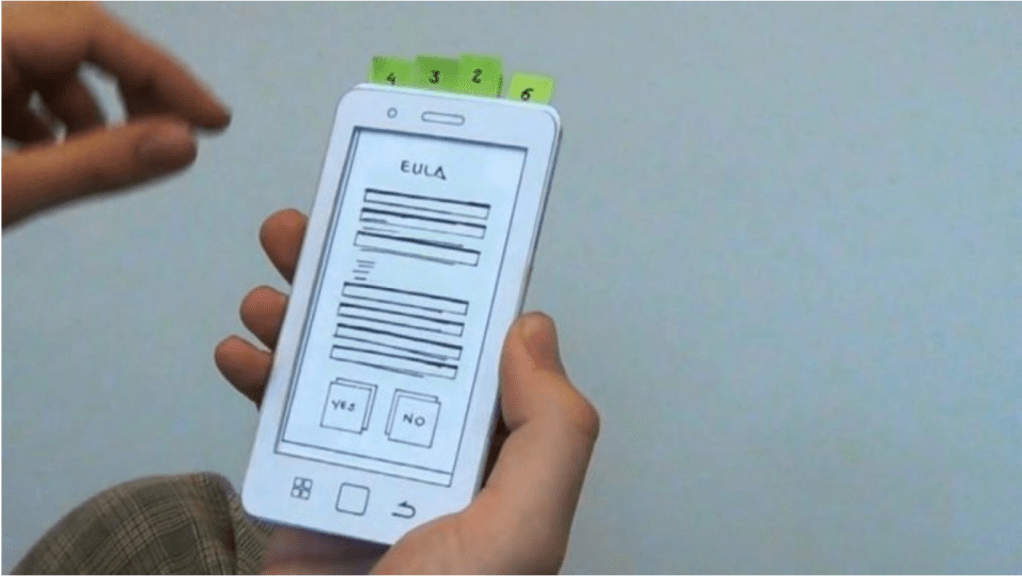
Low-Fi prototyping is the low quality of prototyping.
It can help people quickly test the function and layout in the design process. The main tools for Low-Fi prototyping is sketch ,PowerPoint ,Keynote ,and DX. It is a fast and easy way, which always can be finished in 5-50min.
High-Fi prototyping
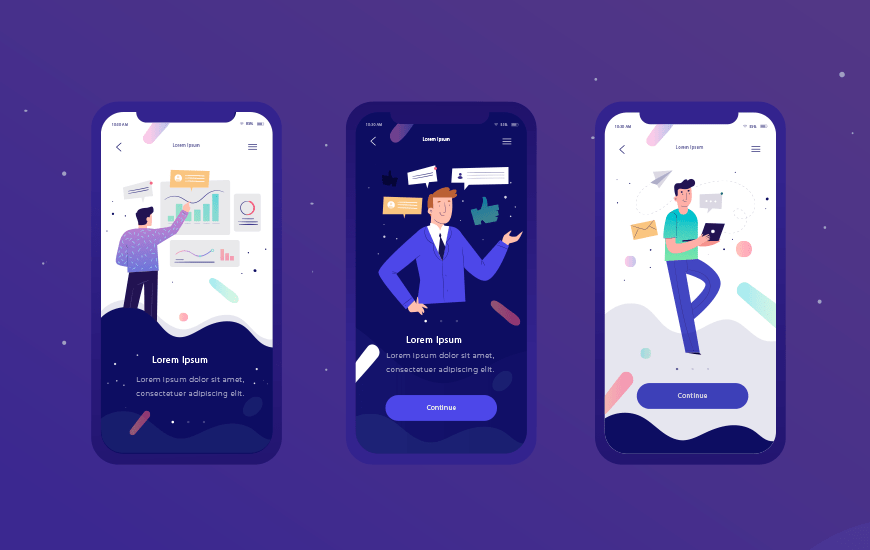
High-Fi prototyping is the high quality of prototyping.
High-Fi prototyping like the mock-up of the final design outcome. It is close to the actual product when people look through it. It contains all the detailed design – interface elements, spacing, and graphics. It also has interactivity, simply from page to page. The main tools for Low-Fi prototyping are PowerPoint, Keynote, and DX. It is good for a designer to present and communicate well with other team members.
Reference: Bikke,F and Yu Siang,T (2020), Design Thinking: Get Started with Prototyping, viewed by 27th March <https://www.interaction-design.org/literature/article/design-thinking-get-started-with-prototyping>
Nick,B (2017), Prototyping 101: The Difference between Low-Fidelity and High-Fidelity Prototypes and When to Use Each, viewed by 27 March <https://theblog.adobe.com/prototyping-difference-low-fidelity-high-fidelity-prototypes-use/>
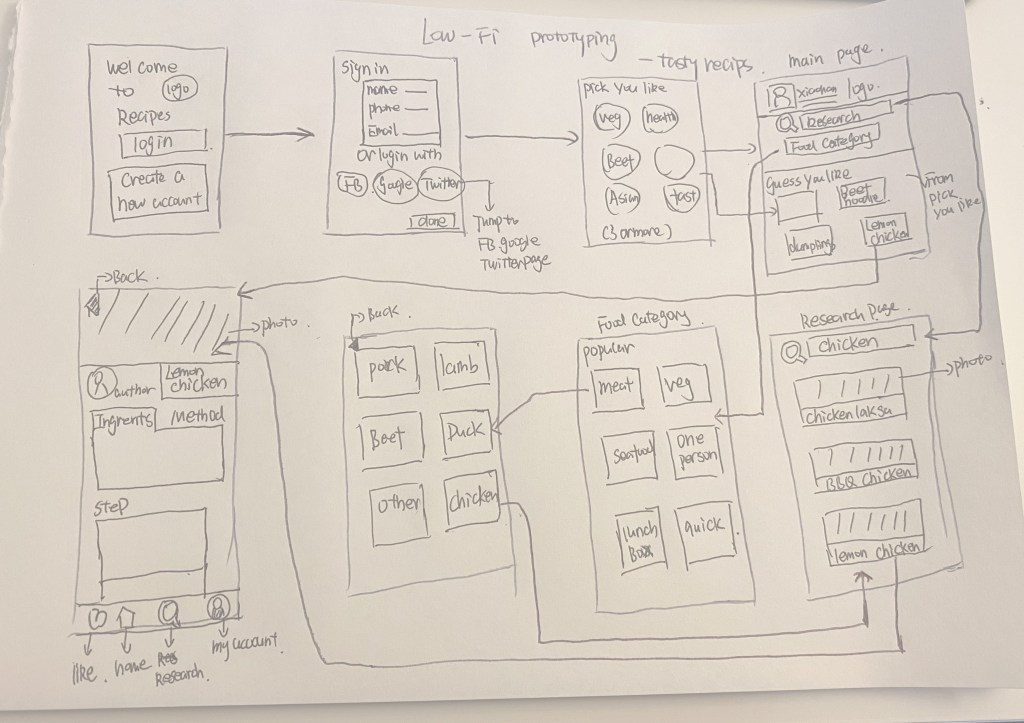
In-class practice — Design a mobile app that lets people find tasty recipes.
Low-Fi prototyping
 lizliz0725info.data.blog